Oracle Multitenant Architecture: Consolidation at Scale
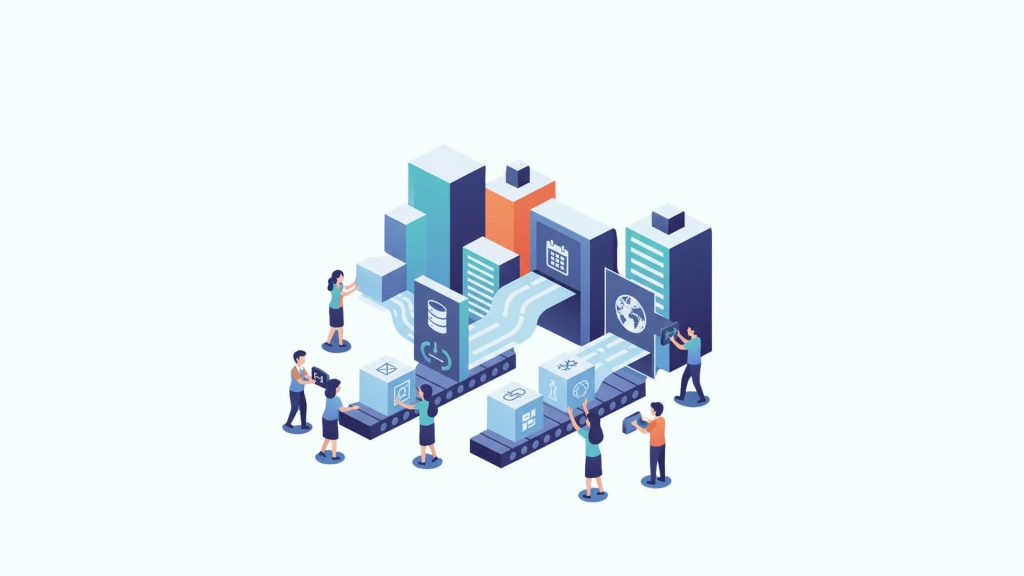
The multitenant model changes how you design, deploy, and operate Oracle databases. It’s built for consolidation, rapid cloning, controlled resource sharing, and cleaner lifecycle management. If you’re still treating each database as an isolated snow globe, this architecture pulls you into a modern, elastic way of running Oracle at scale.
This guide breaks down the core components, operational mechanics, and high-value capabilities that define a well-designed CDB/PDB environment. The goal: predictable performance, clean governance, and efficient consolidation without surprises.
Core Principles
- Isolate workloads; share infrastructure, not risk;
- Standardize provisioning; eliminate configuration drift;
- Automate PDB lifecycle; treat databases like deployable units.
Container Database (CDB) vs Pluggable Database (PDB)
The architecture centers on a single CDB hosting many PDBs. The CDB provides the shared Oracle binaries, background processes, and memory structures. Each PDB is a self-contained database with its own data dictionary, schemas, and local metadata.
Why It Matters
- CDB: Centralized management, resource allocation, and patching;
- PDB: Logical isolation, fast cloning, consistent provisioning;
- Separation: You consolidate without mixing application metadata.
The result is operational efficiency without sacrificing isolation. You can scale horizontally by adding PDBs without spinning up new instances.
Resource Management with Resource Manager
A multitenant setup lives or dies on resource control. Without explicit limits, one noisy PDB can saturate CPU, I/O, or memory and take down the entire CDB. Oracle Resource Manager gives you fine-grained governance: shares, caps, priorities, and directives enforced at runtime.
Key Areas to Govern
- CPU: Shares, utilization caps, and parallel statement controls;
- I/O: IORM integration on Exadata, plus per-PDB limits;
- Sessions: Max session controls for abusive workloads.
Think of it as traffic control inside a densely populated city. Without rules, someone always gridlocks the system. With Resource Manager, performance stays predictable.
PDB Cloning, Plugging & Unplugging Operations
Multitenant shines during lifecycle operations. Tasks that used to require hours of scripting now collapse into minutes. Cloning, provisioning, migration — this architecture turns databases into portable objects.
Cloning Options
- Local clone: Instant copy within the same CDB;
- Remote clone: Clone across CDBs over a database link;
- Hot clone: Clone without downtime using incremental logging.
Plug/Unplug Workflow
Unplug creates an XML manifest; plug imports the PDB into another CDB with compatibility checks. This makes consolidation, cloud migration, and version upgrades dramatically easier.
- Use hot clones for dev/test refresh cycles;
- Use remote clones for cross-environment migrations;
- Use plug/unplug for upgrades and consolidation projects.
Common vs Local Users & Metadata Linking
Identity management in multitenant is split across the CDB and PDB layers. Understanding who controls what is essential for least privilege, maintenance, and compliance.
User Models
- Common users: Exist across all containers, created by CDB$ROOT;
- Local users: Exist only within their specific PDB;
- Common roles: Grant privileges across all PDBs.
Metadata linking allows common objects to exist once in the CDB while being referenced in PDBs without redundancy. This reduces footprint and keeps upgrades clean.
If you’re building a SaaS-style deployment, choosing the right mix of common vs local definitions will make or break your security model.
Backup & Recovery Strategies for PDBs
RMAN is fully multitenant-aware. You can back up entire CDBs, individual PDBs, or groups of PDBs. The trick is understanding what you’re actually protecting and how restore operations impact the broader container.
Backup Options
- CDB-level backups: Protect everything, easiest to manage;
- PDB-level backups: Lightweight, faster recovery for isolated apps;
- Snapshot copies: Ideal for dev/test refresh actions.
Recovery Needs to Match Failure Domains
- Restore a PDB for application-specific issues;
- Restore the CDB for structural corruption or full outages;
- Use Flashback Database only with caution — affects all PDBs.
You get precision recovery without compromising other tenants. That’s the real value.
Application Containers for SaaS Deployments
Application Containers extend the multitenant model into the SaaS domain. Instead of managing thousands of independent PDBs, you create a container that holds the application master definition and deploy metadata-linked PDBs as tenants.
Key Benefits
- Versioning: Roll out app upgrades through metadata synchronization;
- Isolation: Each tenant has its own data set and local overrides;
- Scalability: Provision new tenants in minutes using seed PDBs;
- Governance: Enforce privilege and resource standards from the master.
If you’re building large multi-tenant platforms, Application Containers simplify lifecycle management and make scaling predictable.
End-to-End Architecture: Your Consolidation Blueprint
A solid multitenant architecture reduces sprawl, accelerates provisioning, and protects performance with intelligent resource controls. But the real value comes from consistency — standardized builds, predictable upgrades, and portable database units.
Your Deployment Checklist
- Use CDB/PDB separation for clean consolidation;
- Enforce Resource Manager plans to prevent contention;
- Adopt hot cloning for rapid lifecycle operations;
- Harden identity with common vs local user governance;
- Use PDB-level backups for targeted recovery workflows;
- Leverage Application Containers for SaaS-scale deployments.
Final Word
Multitenant isn’t just a feature — it’s Oracle’s strategic path forward. When implemented correctly, it gives you operational efficiency, cleaner governance, and the ability to scale databases as fluidly as application layers. This blueprint keeps your consolidation efforts disciplined, predictable, and ready for enterprise-grade growth.